As digital technology reshapes how images are produced and consumed, painting is often declared obsolete.
The work of David Hockney offers a radically different perspective.
Over the last fifteen years, Hockney has demonstrated that technology does not threaten painting — it expands it. From iPad drawings to large-scale multi-perspective landscapes, his work challenges the dominance of photographic vision and reasserts painting as an active way of seeing rather than a passive recording of reality.
Hockney’s central claim is simple yet profound: we do not see the world through a single lens. Painting, for him, is the ideal medium to express the complexity of human perception.
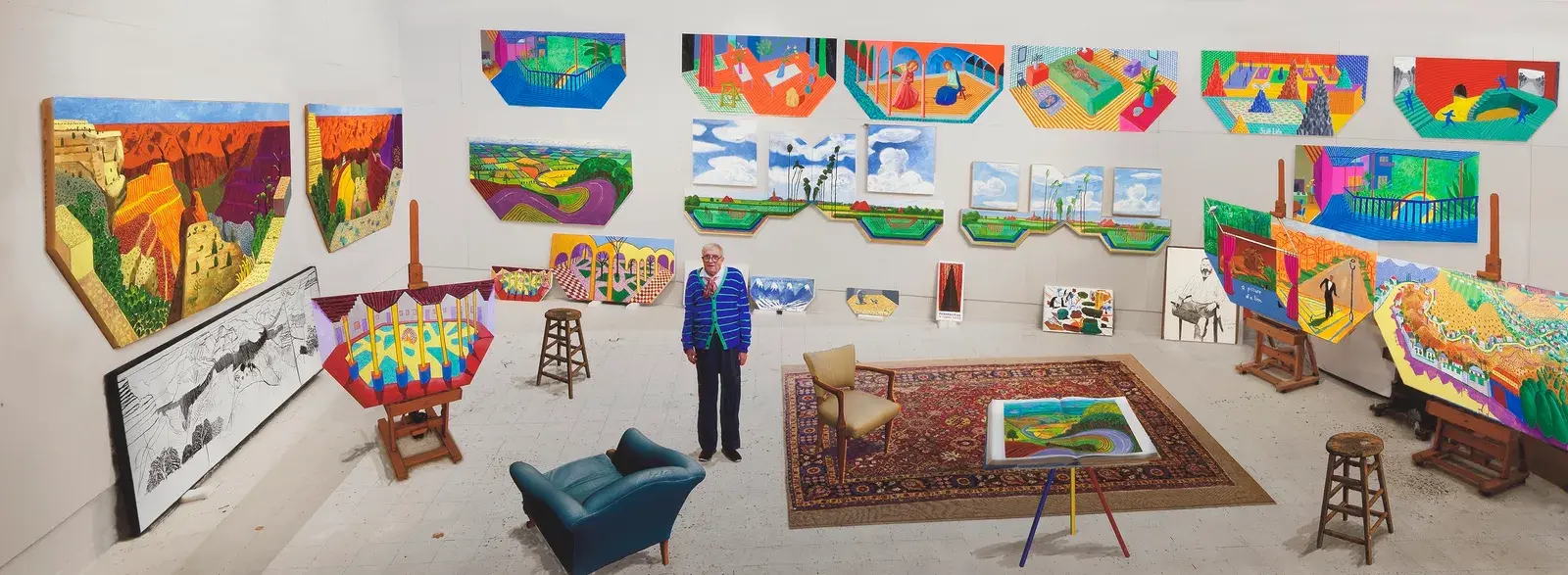
David Hockney shows that painting remains vital not by rejecting technology, but by rethinking how we see the world through it.
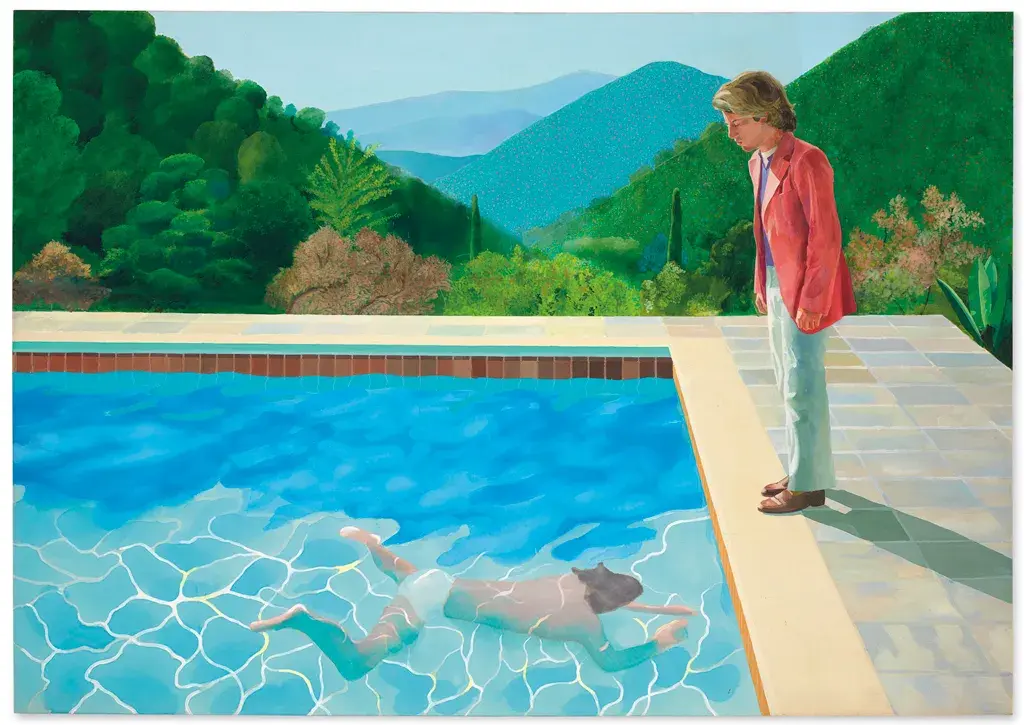
Painting, Technology, And How We See Today
Few artists have confronted the relationship between painting and technology as directly and consistently as David Hockney. Over the past fifteen years, his work has played a decisive role in reshaping contemporary debates around perception, digital media, and the future of painting. Rather than positioning painting in opposition to technological change, Hockney embraces new tools while insisting on the continued relevance of human vision.
At the core of Hockney’s practice lies a fundamental critique of photographic perspective. He has long argued that photography imposes a false sense of objectivity by freezing the world into a single viewpoint and a single moment. Human perception, by contrast, is fluid, mobile, and temporal. We see by moving through space, shifting our attention, and assembling fragments over time. Painting, Hockney argues, is uniquely suited to capture this experience.
This belief underpins his exploration of multi-perspective compositions. Whether through large panoramic landscapes or complex interior scenes, Hockney disrupts linear perspective by presenting multiple viewpoints simultaneously. Space unfolds rather than recedes. Time is layered rather than fixed. These paintings resist photographic realism in favor of experiential truth, reminding viewers that seeing is an active process.
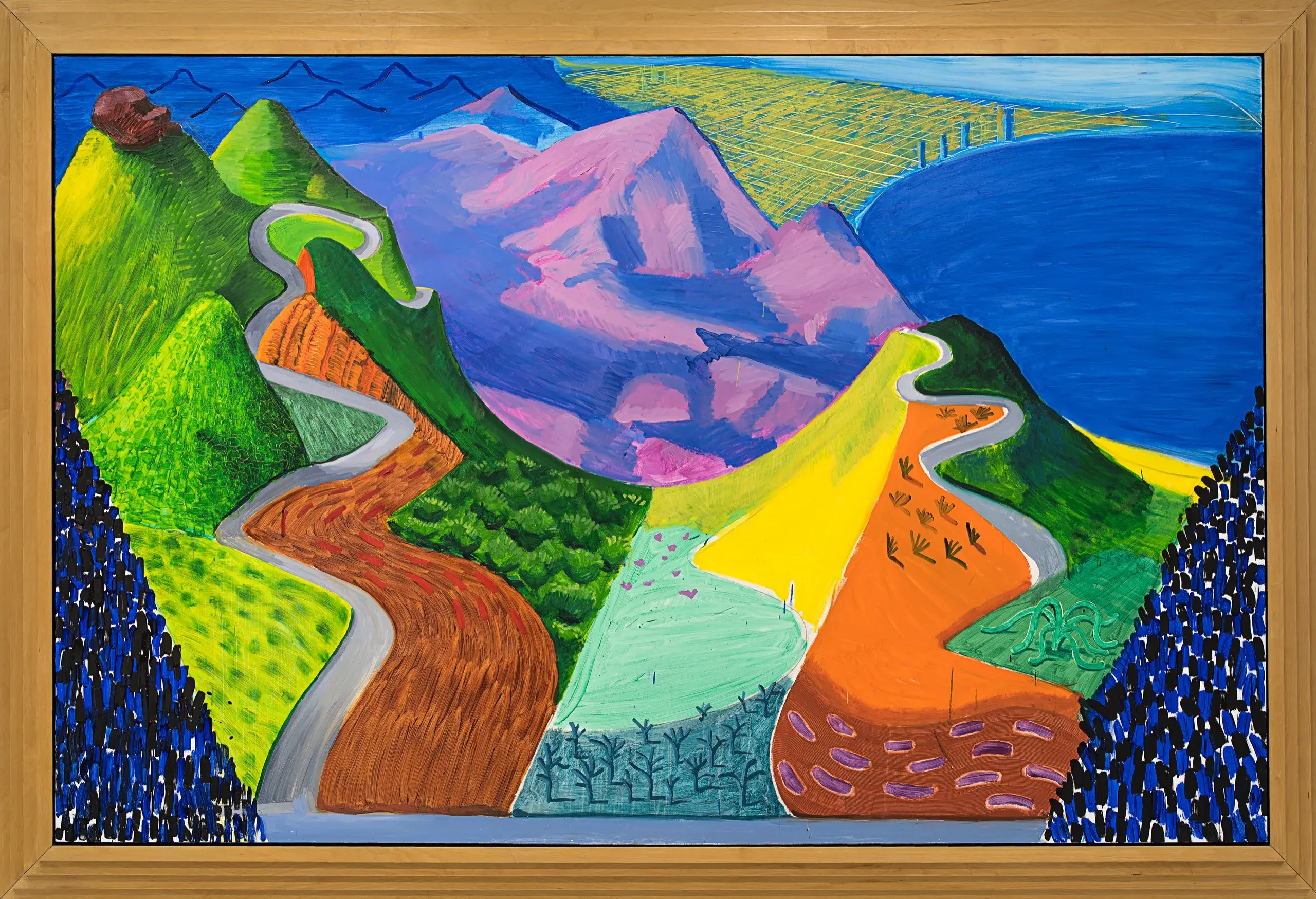
Hockney’s adoption of digital tools, particularly the iPad, marks a significant moment in contemporary painting. Rather than treating digital drawing as a departure from painting, he approaches it as an extension of painterly thinking. The immediacy of the medium allows for speed, experimentation, and color intensity, while retaining the artist’s hand and decision-making process. In this context, technology becomes a means of liberation rather than limitation.
Importantly, Hockney’s work does not celebrate technology uncritically. His engagement with digital tools is always grounded in questions of perception and representation. The goal is not novelty, but clarity: how can images better reflect the way humans actually experience the world? Painting, for Hockney, remains a thinking process — one that adapts as tools change but never relinquishes its conceptual core.
In a broader cultural context, Hockney’s position offers an alternative to narratives of technological replacement. Instead of declaring older media obsolete, his work demonstrates how artistic practices evolve through dialogue with new conditions. Painting survives not by resisting change, but by absorbing it thoughtfully.
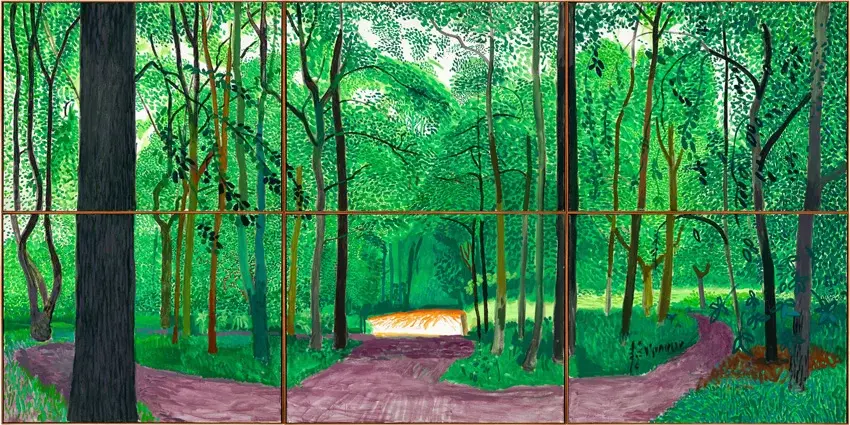
Hockney’s influence is evident in contemporary artists who move fluidly between digital and traditional media without treating them as oppositional. His work has expanded the definition of painting, showing that its future lies not in purity, but in openness — to new tools, new ways of seeing, and new forms of visual experience.
Ultimately, David Hockney’s contribution over the last fifteen years confirms that painting remains a vital mode of inquiry. By challenging how images represent space and time, and by embracing technology without surrendering artistic agency, he has ensured that painting continues to evolve as a living, thinking practice in the digital age.