In contemporary sculpture, the boundary between art and political responsibility has been radically redefined.
The work of Ai Weiwei stands at the forefront of this transformation.
Over the last fifteen years, Ai Weiwei has used sculpture as a platform for addressing human rights, state violence, migration, and collective memory. His works often draw on historical materials and traditional craftsmanship, yet they speak directly to urgent contemporary realities. Sculpture, in Ai’s practice, becomes an act of witness.
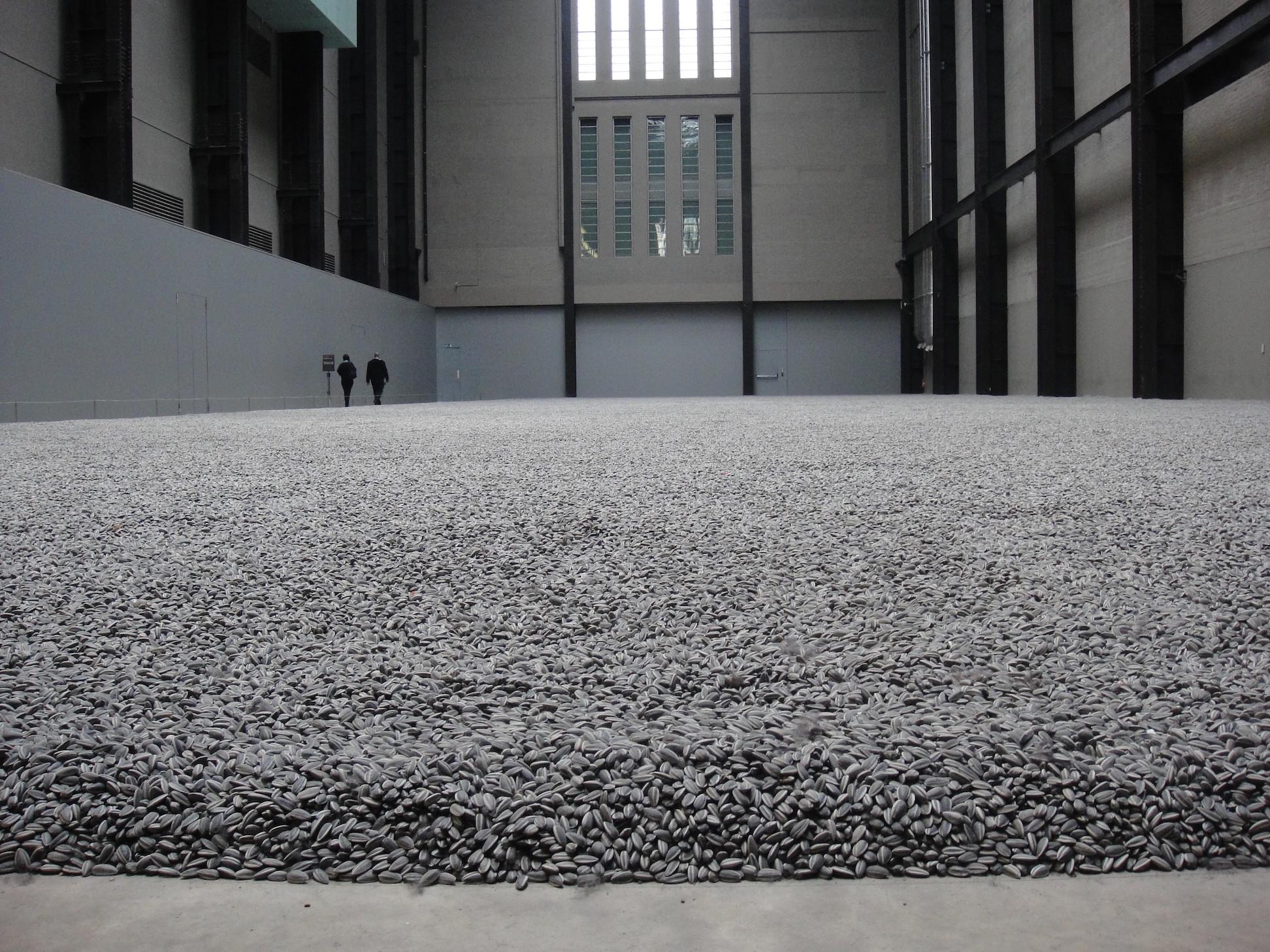
By relocating political trauma into the physical space of art, Ai Weiwei forces viewers to confront not only what has happened, but their own position in relation to it. His sculptures do not comfort; they demand accountability.
Politics, Memory, And The Ethics Of Sculpture
Over the last fifteen years, contemporary sculpture has increasingly engaged with questions of political responsibility and collective memory. Ai Weiwei occupies a central position within this shift, transforming sculpture from a formal object into a vehicle of ethical confrontation. His work insists that art cannot remain neutral in the face of injustice, displacement, and historical erasure.
Ai Weiwei’s sculptural practice is grounded in material symbolism. He frequently employs traditional Chinese materials—porcelain, marble, wood—not as expressions of cultural nostalgia, but as carriers of historical weight. By reconfiguring these materials into forms that reference state violence, censorship, or mass migration, Ai exposes the tension between cultural heritage and political repression. The material itself becomes a witness.
A defining aspect of Ai’s work is scale and repetition. Installations composed of thousands of individual elements—such as hand-crafted porcelain pieces—transform abstract statistics into physical presence. Numbers become bodies; data becomes mass. This strategy forces viewers to confront the magnitude of collective trauma not through representation, but through embodied experience. Sculpture becomes a space where loss is felt rather than explained.
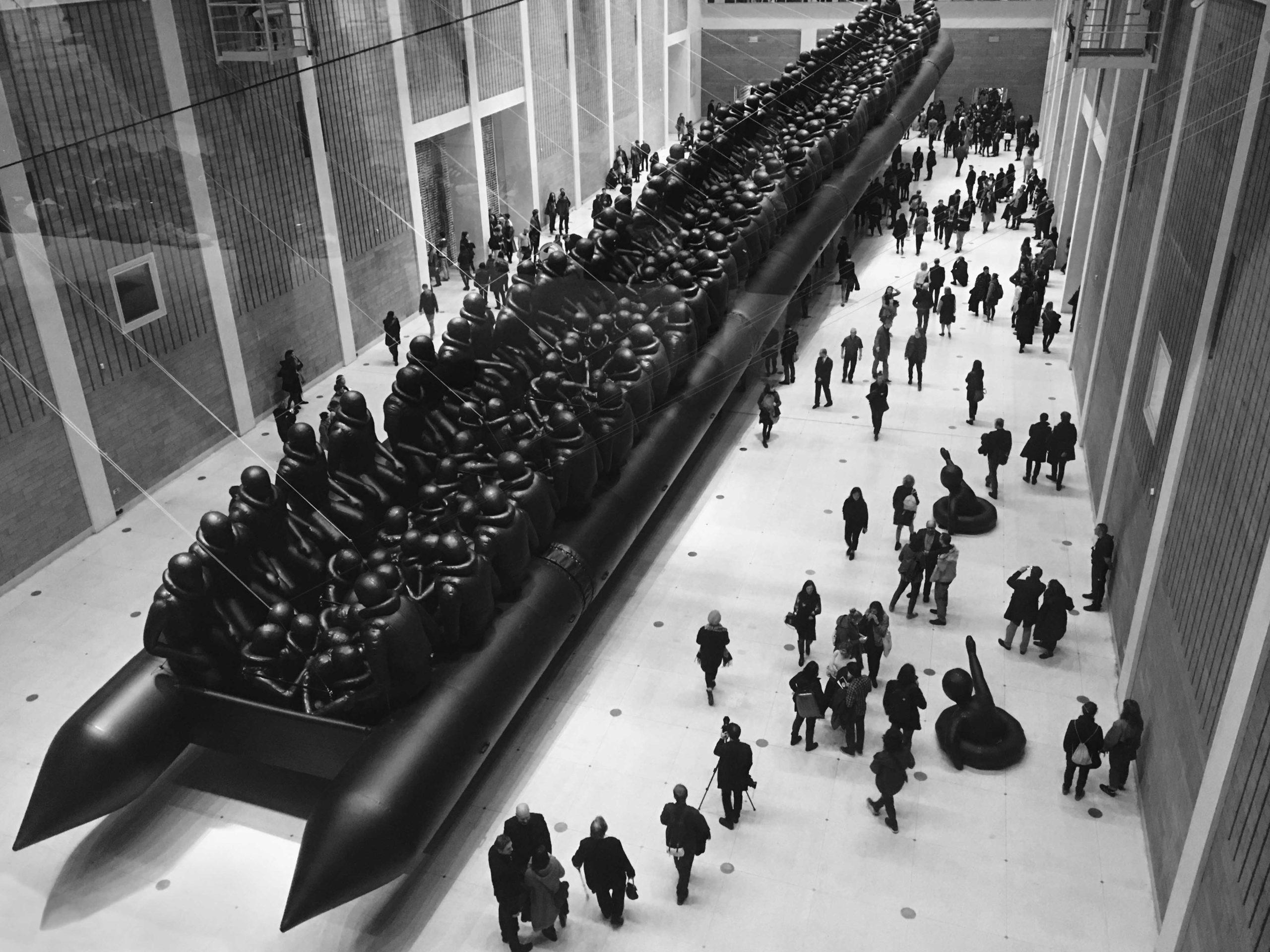
Ai’s engagement with memory extends beyond national history to global crises. His sculptures addressing refugee displacement translate human suffering into stark visual form without aestheticizing it. Life vests, boats, and architectural fragments appear not as symbols, but as remnants of lived experience. By placing these materials within museums and public spaces, Ai collapses the distance between global events and individual responsibility.
Crucially, Ai Weiwei’s work challenges the separation between art and activism. While his sculptures operate within the language of contemporary art, they refuse aesthetic autonomy. Meaning is inseparable from context. The viewer is not invited to admire form alone, but to reflect on systems of power, surveillance, and control. Sculpture becomes a site of confrontation rather than contemplation.
Within the broader history of sculpture, Ai represents a shift toward social engagement without abandoning material rigor. His work demonstrates that political art need not rely on illustration or propaganda. Instead, it can operate through spatial presence, repetition, and material truth. This approach has influenced a generation of artists who see sculpture as a means of ethical inquiry rather than purely formal exploration.
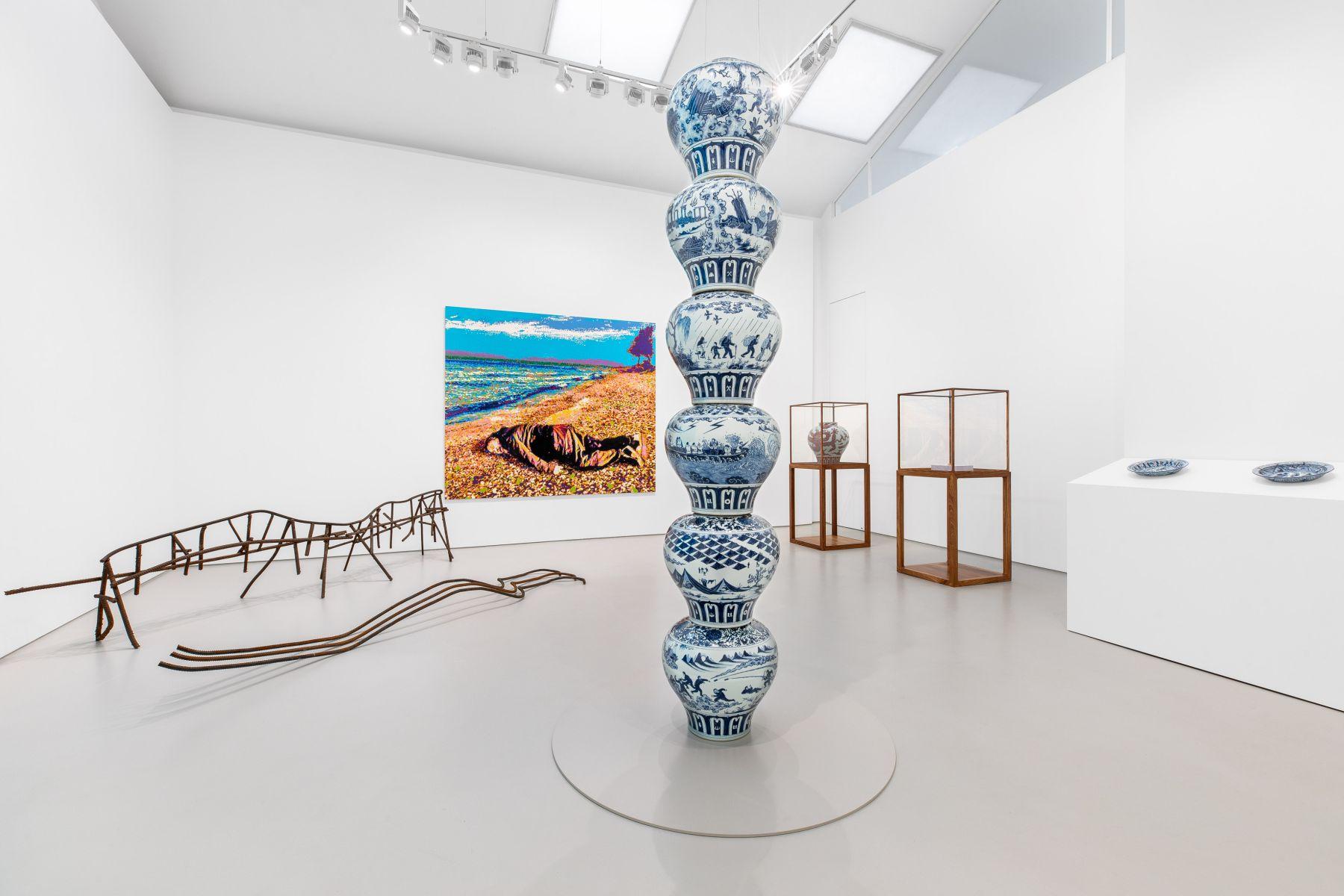
Ai Weiwei’s impact over the last fifteen years extends beyond the art world. His sculptures circulate within public discourse, media, and activism, blurring the boundary between cultural production and civic action. By insisting that art remains accountable to lived reality, he has redefined the responsibilities of contemporary sculpture.
Ultimately, Ai Weiwei’s work affirms sculpture as a space where memory, politics, and ethics converge. His practice demonstrates that sculpture can give physical form to invisible structures of power, transforming art into an instrument of awareness and resistance. In doing so, he ensures that sculpture remains not only relevant, but necessary in the contemporary world.


Anish Kapoor demonstrates that contemporary sculpture can function as a space of reflection, where material form...

Limited edition art prints offer more than beauty — they carry exclusivity, value, and a deeper...