In contemporary sculpture, the relationship between the human body and space has been fundamentally rethought.
The work of Antony Gormley has played a defining role in this transformation.
Over the last fifteen years, Gormley has consistently used the human body not as an expressive figure, but as a universal measure. His sculptures are often cast from his own body, yet they resist individuality. Stripped of narrative and gesture, these forms function as markers of presence—placing the human figure directly into architectural, natural, and urban environments .
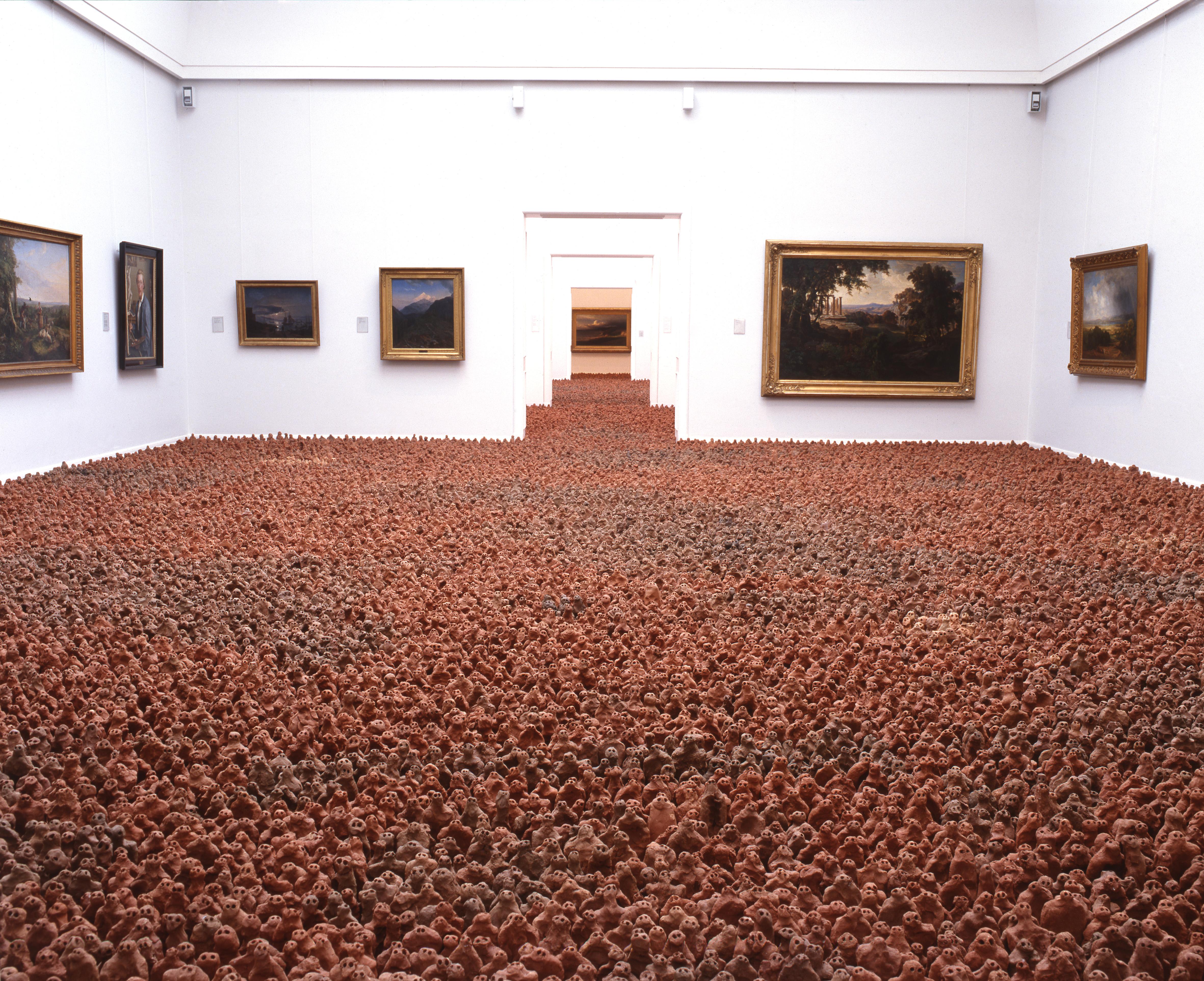
By situating the body within vast landscapes and public spaces, Gormley shifts sculpture from representation to experience. His works ask fundamental questions: Where are we? How do we occupy space? What does it mean to be present?
The Human Body As Measure And Space
Over the last fifteen years, contemporary sculpture has increasingly focused on the relationship between the human body and the environments it inhabits. Antony Gormley stands at the center of this inquiry, redefining sculpture as a means of exploring presence rather than representation. His work does not depict the body in action or emotion; instead, it positions the body as a silent, elemental form through which space becomes perceptible.
Gormley’s practice is grounded in the use of his own body as a template. These casts, however, are not autobiographical. By eliminating facial expression, gesture, and narrative detail, he transforms the body into a universal structure—one that stands in for human existence rather than individual identity. This reduction allows the viewer to project themselves into the form, experiencing the sculpture not as an image but as a point of reference.
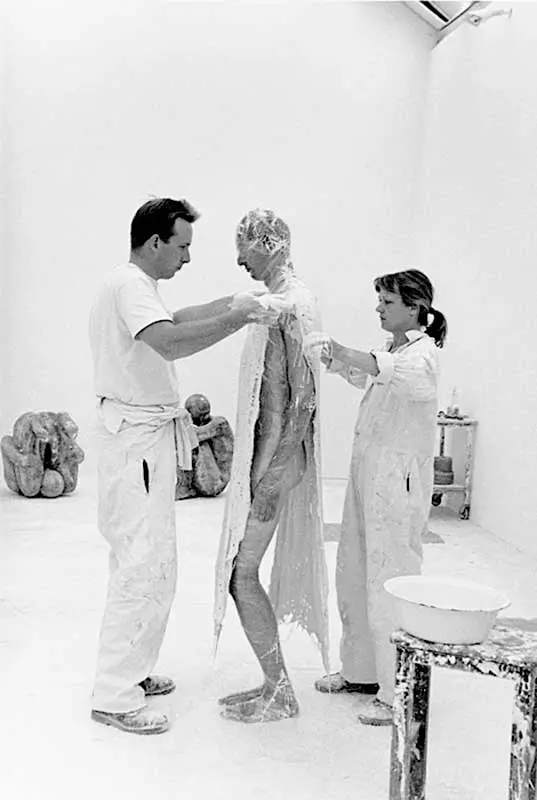
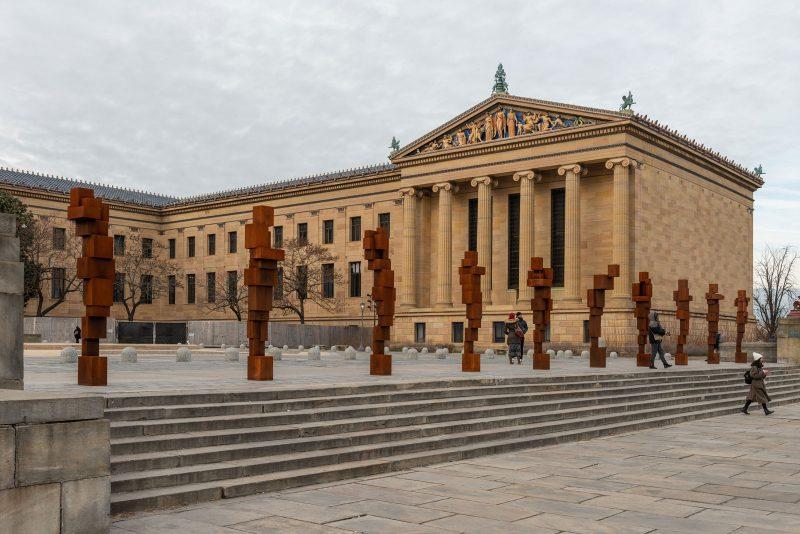
Central to Gormley’s work is the concept of space as something activated by the body. His sculptures are rarely confined to plinths or gallery interiors. Instead, they inhabit coastlines, rooftops, fields, and cityscapes. In these contexts, the human figure becomes a marker within vast systems—geographical, architectural, and social. The surrounding environment is not a backdrop; it is an integral component of the work.
Gormley’s large-scale installations, composed of multiple repeated figures, further expand this idea. Works such as field-like accumulations or grid-based body structures emphasize collectivity rather than individuality. The human presence is multiplied, suggesting shared conditions of existence rather than singular experience. Sculpture becomes a spatial field rather than a discrete object.
Material plays a crucial but restrained role in this process. Gormley frequently works with iron, steel, and other industrial materials that emphasize weight, density, and permanence. These materials contrast sharply with the vulnerability implied by the human form. This tension between fragility and solidity reinforces the existential dimension of his work: the body as both temporary and grounded within the physical world.
Philosophically, Gormley’s sculptures engage with questions of being and awareness. His figures do not act; they stand, sit, or simply exist. This stillness invites contemplation. Viewers become acutely aware of their own bodies in relation to the sculpture, the space, and the horizon beyond. Sculpture thus functions as a tool for self-reflection rather than visual consumption.
Within the broader history of sculpture, Gormley represents a shift away from expressive figuration toward experiential minimalism. While his work retains the recognizable human form, it avoids storytelling and symbolism. Instead, it prioritizes presence, scale, and spatial awareness. This approach has had a profound influence on contemporary sculpture, particularly in the realm of public art.
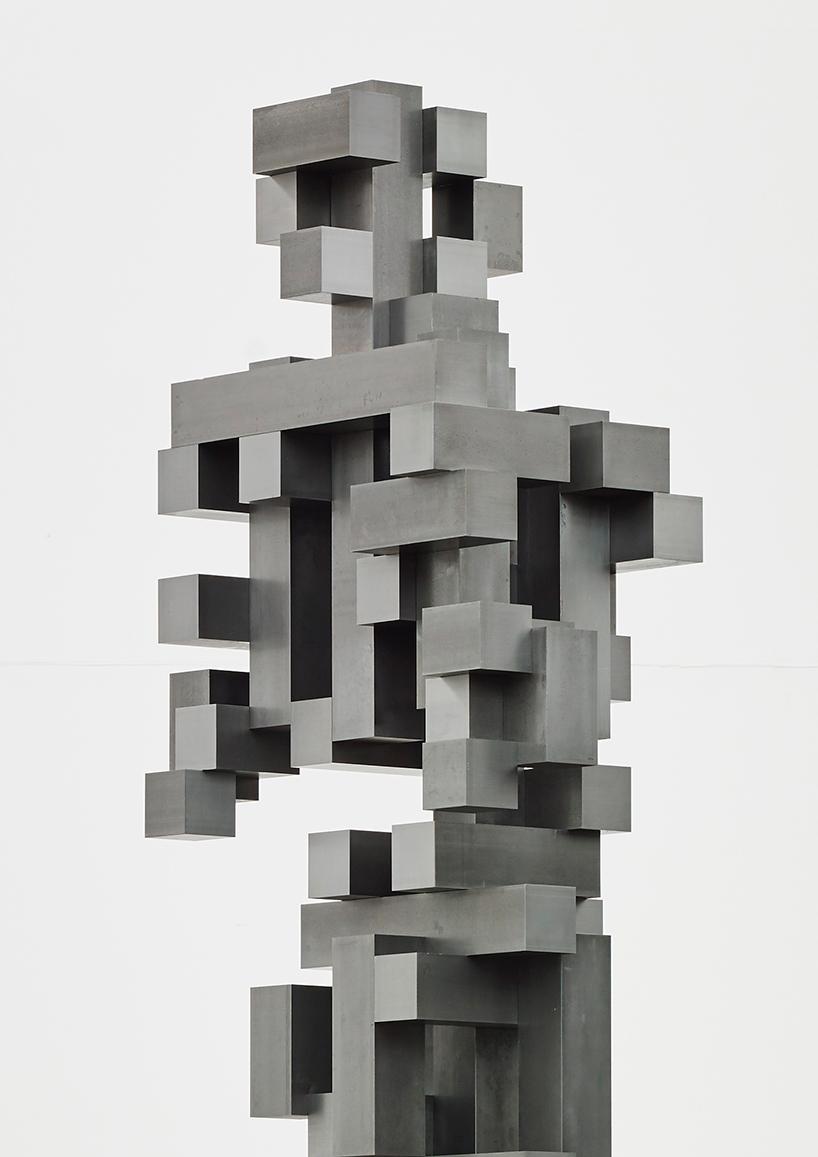
Ultimately, Antony Gormley’s contribution lies in his ability to transform sculpture into a language of being. By using the human body as a measure of space, he reconnects art with fundamental questions of existence. His work reminds us that sculpture is not merely something we look at—it is something we stand within, move around, and experience through our own physical presence.


Anish Kapoor demonstrates that contemporary sculpture can function as a space of reflection, where material form...

Limited edition art prints offer more than beauty — they carry exclusivity, value, and a deeper...