In contemporary sculpture, the shift from object to experience marks one of the most significant transformations of the last decades.
The work of Anish Kapoor stands at the center of this shift.
Over the last fifteen years, Kapoor has consistently challenged the traditional understanding of sculpture as a solid, self-contained form. Instead, he constructs spaces of absence—voids, reflective surfaces, and immersive environments that draw the viewer inward. His sculptures are not meant to be observed from a distance; they must be entered, circled, and physically encountered.
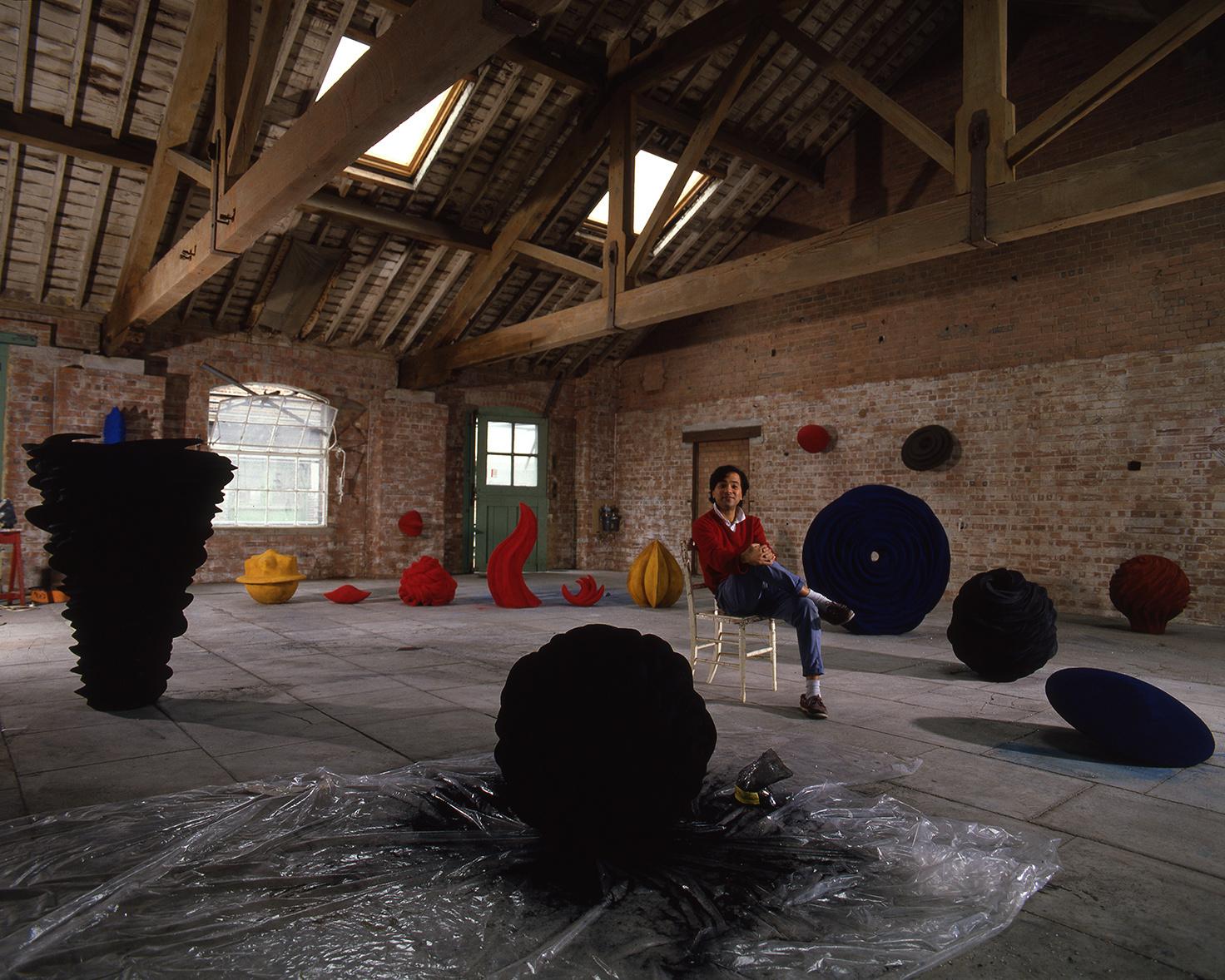
Kapoor’s work redefines sculpture as a spatial and psychological experience. By engaging with emptiness, reflection, and scale, he transforms material into a medium for perception itself.
Void, Space, And The Inner Dimension Of Sculpture
Over the last fifteen years, contemporary sculpture has increasingly moved beyond the production of autonomous objects toward the creation of experiential spaces. Anish Kapoor occupies a foundational position within this transformation. His work challenges the assumption that sculpture must assert its presence through mass and solidity. Instead, Kapoor constructs forms that withdraw, absorb, or destabilize perception, making absence itself the primary subject.
Central to Kapoor’s practice is the concept of the void. His sculptures often appear as openings, cavities, or infinite recesses—spaces that seem to collapse inward or extend beyond physical limits. These voids are not empty in a conventional sense; they are charged with tension and ambiguity. The viewer confronts not what is present, but what cannot be fully grasped. Sculpture becomes a site of uncertainty rather than resolution.
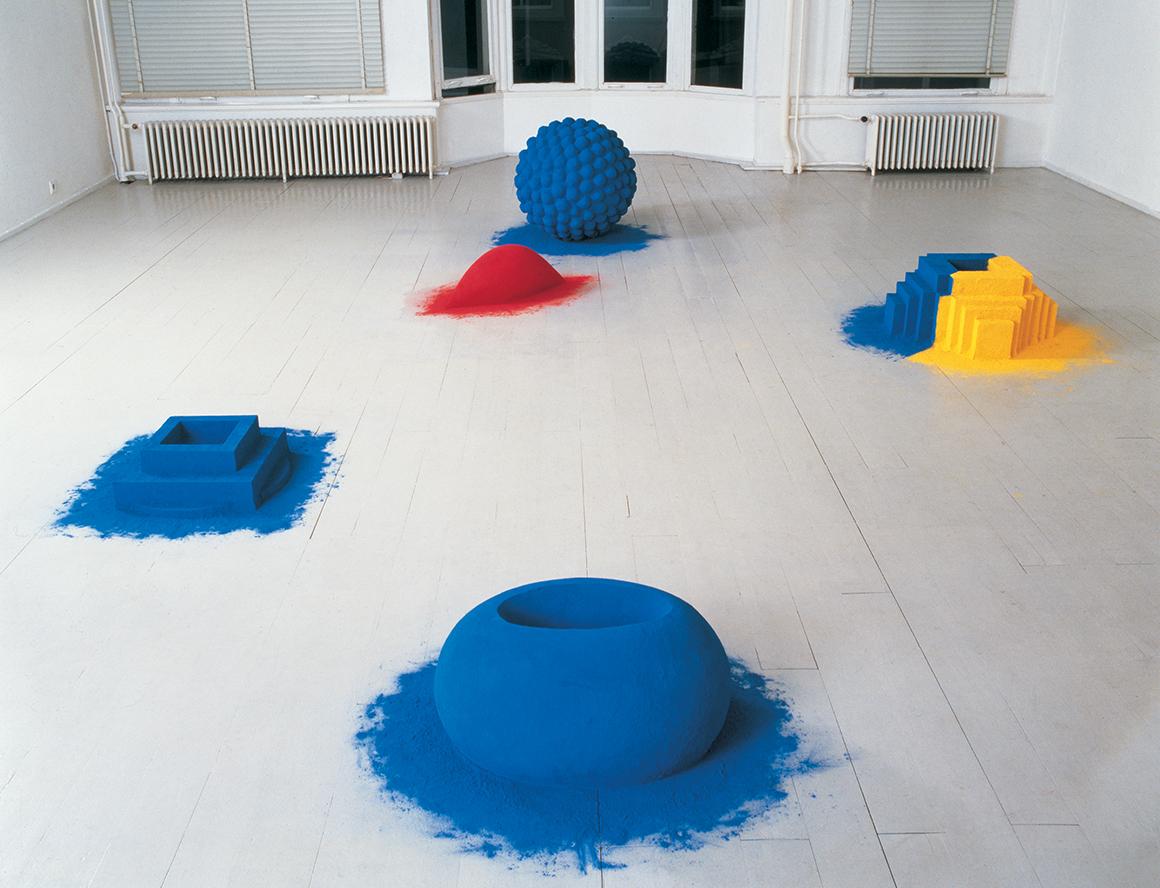
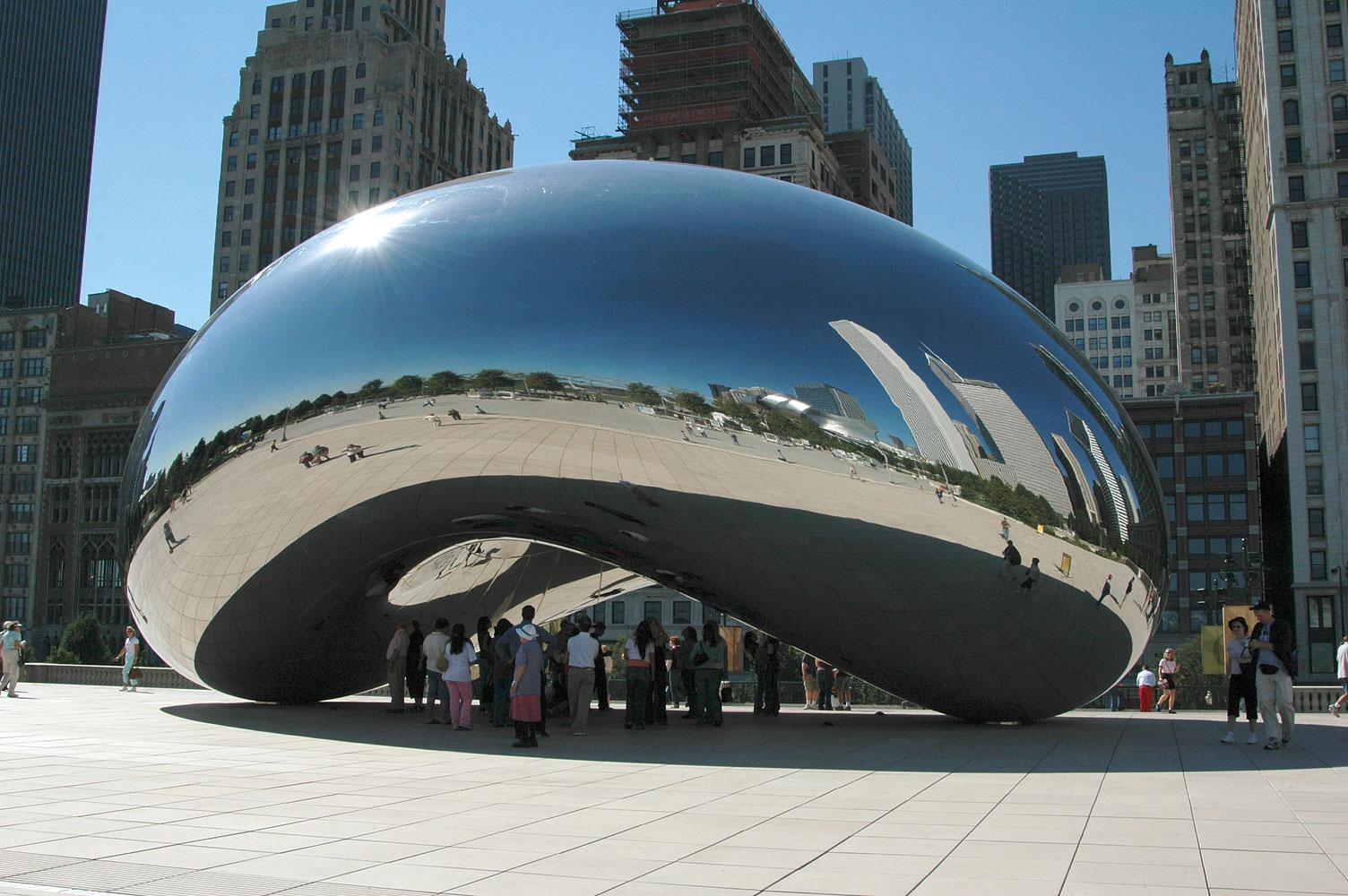
Material plays a paradoxical role in this process. Kapoor employs heavy, industrial substances—steel, stone, concrete, pigment—yet these materials are used to produce effects of weightlessness, depth, and immateriality. Highly polished surfaces reflect and distort surroundings, erasing clear boundaries between object, space, and viewer. The sculpture no longer exists as a separate entity; it implicates the body and perception of the observer.
Kapoor’s engagement with scale is equally significant. His large-scale public works do not simply occupy space; they transform it. In works such as monumental mirrored forms, the surrounding environment becomes part of the sculpture itself. Sky, architecture, and human movement are folded into the work, creating an experience that is continuously reshaped by time and position. Sculpture thus becomes dynamic, contingent, and relational.
Philosophically, Kapoor’s work engages with ideas of inner space and metaphysical inquiry. The void functions not only as a spatial condition but as a psychological one. It invites introspection, confronting viewers with sensations of attraction and unease simultaneously. This duality—between seduction and destabilization—distinguishes Kapoor’s work from purely formal abstraction. His sculptures do not offer aesthetic pleasure alone; they provoke existential awareness.
Within the broader history of sculpture, Kapoor represents a decisive shift away from representation and toward perception. While earlier sculptural traditions emphasized form, anatomy, or symbolic meaning, Kapoor redirects attention toward the act of seeing itself. Sculpture becomes a medium through which perception is tested, delayed, and transformed.
In the context of contemporary art, Kapoor’s influence extends beyond sculpture. His work has reshaped how artists think about space, material, and audience engagement across disciplines. By collapsing the distinction between object and environment, he has contributed to a broader redefinition of art as experience rather than artifact.
Ultimately, Anish Kapoor’s contribution lies in his radical reimagining of sculpture as an encounter with the unknown. Through voids, reflections, and immersive scale, he transforms material form into a space of contemplation. In doing so, he affirms sculpture’s capacity to engage not only the eye, but the body, the mind, and the inner dimensions of perception.



Limited edition art prints offer more than beauty — they carry exclusivity, value, and a deeper...