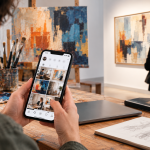
In a world saturated with images, painting is often perceived as slow, outdated, or unnecessary. Screens deliver instant visuals, algorithms decide what we see, and images circulate endlessly without depth or duration. Yet over the last fifteen years, painting has not faded into irrelevance. Instead, it has re-emerged as one of the most thoughtful and resistant forms of contemporary expression. The question is no longer whether painting can survive, but why it continues to matter so deeply today.
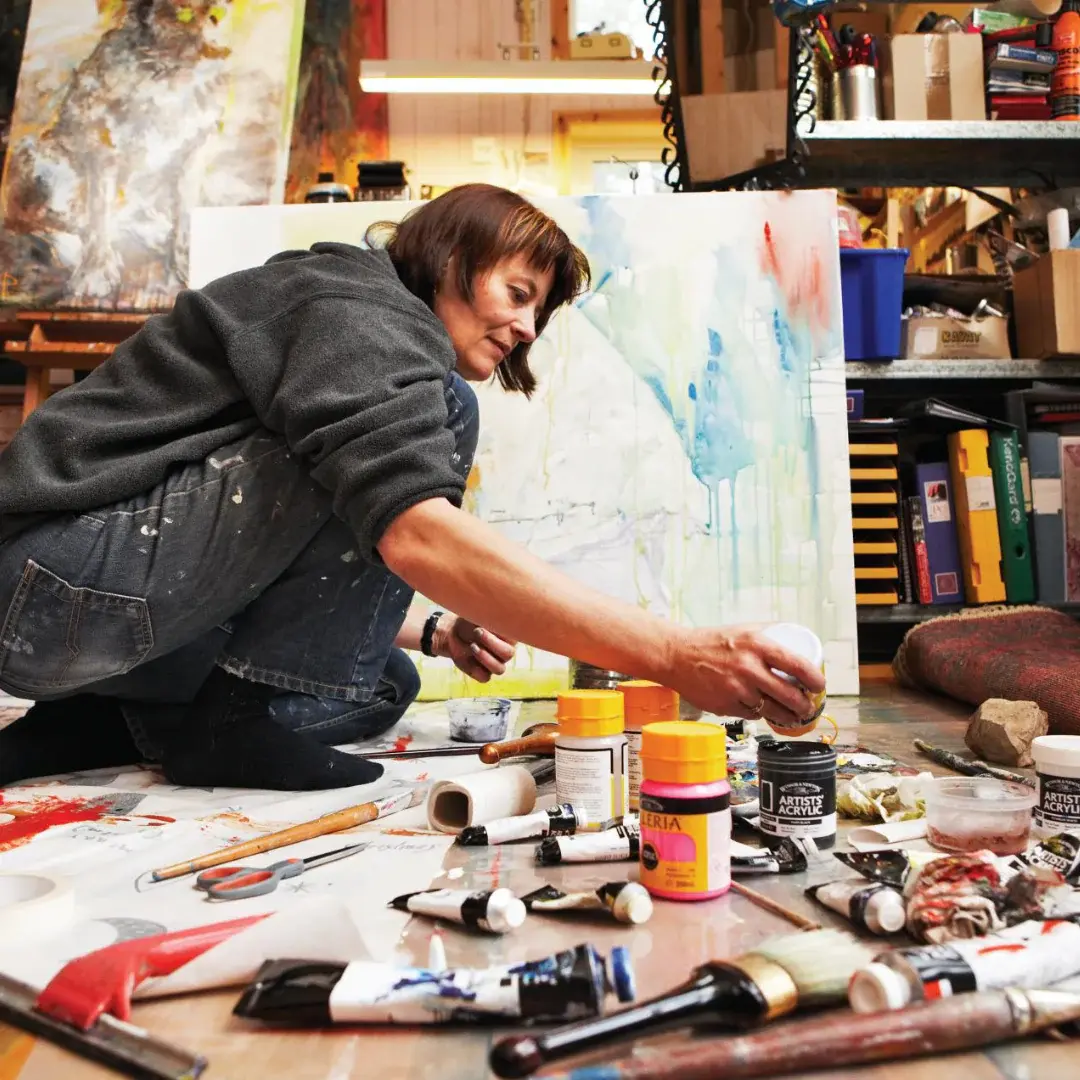
Painting occupies a unique and often misunderstood position in contemporary visual culture. Unlike digital images, which are designed for speed, circulation, and instant legibility, painting insists on duration. It demands time from both the artist and the viewer. This temporal resistance is not a weakness but a defining strength. In an era driven by acceleration, painting offers a space where meaning is built slowly, through attention, material engagement, and sustained looking.
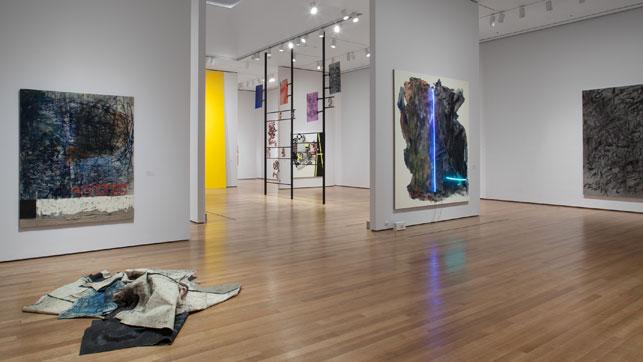
One of the reasons painting continues to matter is its material presence. A painting is not simply an image; it is an object. It has weight, texture, scale, and physical limits. These qualities create a different relationship between viewer and image—one that cannot be replicated on a screen. Standing in front of a painting involves bodily awareness: distance, movement, and time shape perception. This physical encounter restores a sense of depth that is often flattened in digital experience.
Painting also remains a critical tool for thinking about images themselves. In a culture overwhelmed by photographs, videos, and artificial imagery, painting does not compete by producing more images faster. Instead, it slows the act of seeing down. It exposes how images are constructed, layered, revised, and mediated. The visible traces of brushwork, correction, and erasure remind us that images are made, not given. In this way, painting teaches visual literacy at a time when images are often consumed without reflection.
Another key reason for painting’s continued relevance lies in its relationship to memory and history. Unlike digital images, which often disappear as quickly as they appear, painting carries a sense of duration and permanence. Contemporary painters frequently engage with personal and collective memory, not by illustrating history directly, but by questioning how it is remembered and represented. Painting becomes a space where uncertainty, absence, and fragmentation can exist without being resolved. This openness allows for more honest engagement with complex historical realities.
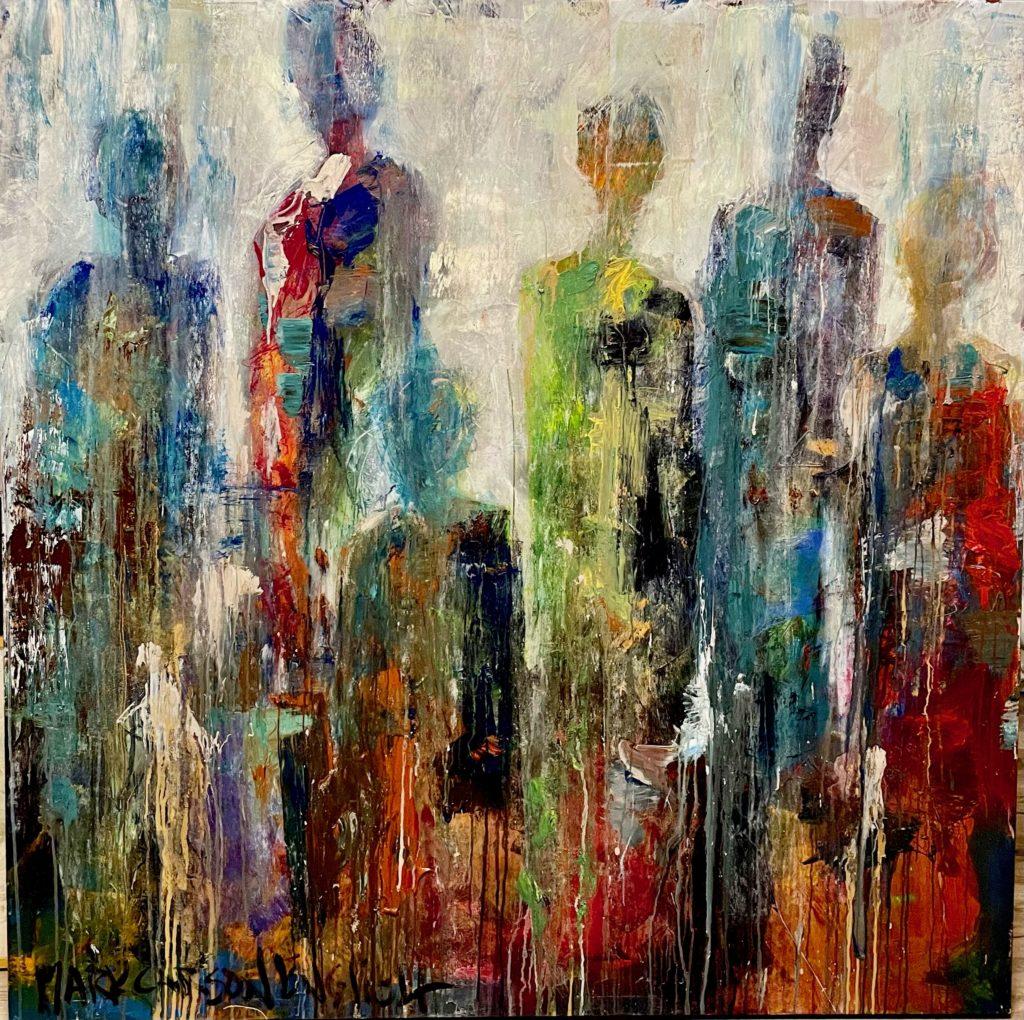
The return of figurative painting over the last decade further underscores painting’s adaptability. The figure has re-emerged not as an idealized form, but as a site of negotiation—between identity, politics, gender, race, and embodiment. Contemporary figurative painters use the body not as an object of beauty, but as a field of experience shaped by power and vulnerability. Painting, with its capacity for distortion and ambiguity, provides a language suited to this complexity.
,
Importantly, painting’s survival does not depend on rejecting technology. Many contemporary painters actively engage with digital tools, photography, and new media. What distinguishes painting is not the absence of technology, but its refusal of immediacy. Painting absorbs technological conditions while maintaining critical distance. It asks not how fast an image can travel, but how deeply it can be experienced.
In this sense, painting functions as a form of resistance—not political resistance in a narrow sense, but perceptual resistance. It resists simplification, speed, and passive consumption. It insists that meaning takes time. This insistence is increasingly valuable in a cultural landscape defined by distraction and surface-level engagement.
Ultimately, painting still matters because it offers something that contemporary visual culture often lacks: space for reflection. It allows viewers to pause, to doubt, and to look again. In doing so, painting reclaims its role not as a relic of the past, but as a living, evolving practice capable of responding thoughtfully to the conditions of the present.